
Leading Humans in the Age of AI
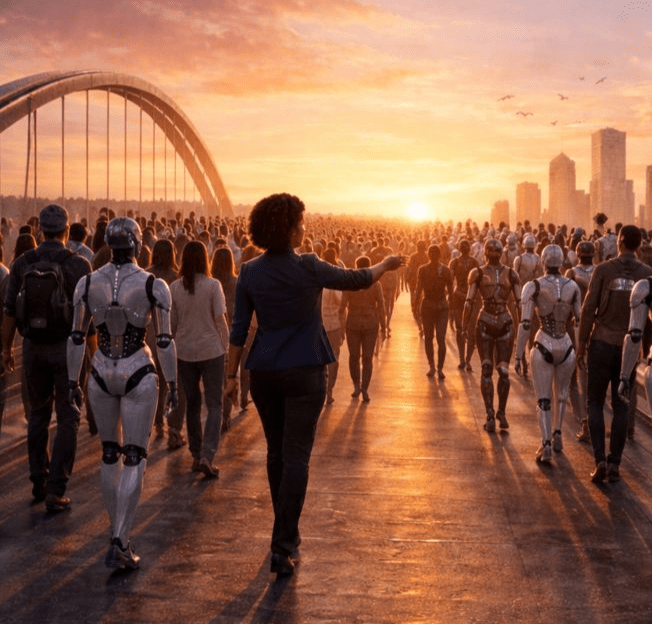
I have learned that conversations about artificial intelligence are rarely just about technology. They are about fear, values, identity, and trust.
My own journey with AI is shaped by someone I love deeply, my son Q. Q is strongly opposed to the use of AI in everyday work. No matter how carefully I explain that it is a tool and not a replacement for human thinking, he sees it as something that threatens authenticity and meaning. And honestly, I understand that discomfort.
At the same time, I lead teams in environments where time is limited, staffing is lean, and expectations are high. In those moments, AI has helped me reduce stress, meet deadlines, and create space for the work that matters most. It has not replaced my judgment. It has supported it.
The Discomfort Is Human
Resistance to AI is not ignorance. It is often a deeply human response.
Many people worry about what AI means for their value, their creativity, and their future. Those concerns deserve to be acknowledged, not dismissed. When leaders ignore that discomfort, adoption becomes forced and trust erodes. Instead there needs to be conversations that highlight the value of humans in the workforce and how we can utilize AI to improve the work place for everyone. Understanding that the goal is collaboration and not the annihilation of humans in the workforce.
We Have Seen This Before, But It Feels Different
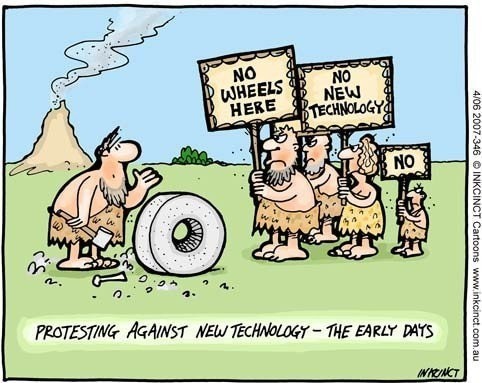
History reminds us that every major technological shift, from the Industrial Revolution to the rise of personal computers, was met with fear and resistance. Work changed, skills evolved, and society adapted.
What makes AI different from every technological shift before it is not just what it can do, but how quickly it learns, scales, and replaces patterns of work. Past revolutions changed how tasks were completed. AI challenges who completes them and whether some roles will exist at all. It reaches beyond physical and repetitive work into analysis, writing, design, and decision support, placing once-stable career paths into uncertainty almost overnight.
That uncertainty shows up emotionally before it ever becomes technical. When people cannot clearly see where their skills will be valued, anxiety replaces curiosity. The question shifts from “What should I learn next?” to “Will this still matter?” For many, especially those who value craftsmanship, reflection, and human connection, the speed of change feels less like progress and more like loss.
This tension extends beyond individual careers into the global economy. AI accelerates productivity unevenly, widening gaps between industries, regions, and workers. Growth and instability now coexist. For leaders, this means we are not just managing change. We are holding people through ambiguity, helping them navigate a future that is still being written.
Leadership Means Reducing Harm, While Leading Change
My responsibility as a leader is not to convince people to embrace AI but to help them utilize it as a tool that has the potential to help balance workloads. My role is to make sure they feel supported, protected, and seen as work continues to change. I think about this often, not just in the context of my team, but in my life as a parent.
Q is a deeply creative person, and I see how overwhelming it can feel to exist in a world suddenly flooded with AI generated art and content. When creativity feels automated, it can leave someone questioning their place, their purpose, and where meaning comes from. Watching him struggle has reminded me that this shift is not only professional, but also emotional and deeply human.
That perspective shapes how I lead. When used thoughtfully, AI can reduce cognitive overload, ease burnout, and create space for coaching, creativity, and care. Used without intention, it can amplify pressure, diminish confidence, and blur ethical lines. That is why leadership matters so deeply in this moment. AI should assist human judgment, not replace it. It should support people, not silence them. And above all, it should be introduced in ways that protect creativity, dignity, and the very human need to feel that our work and our lives still matter.
A Personal Reflection
I know Q may never see AI the way I do. And I have come to accept that. What he has given me instead is a constant reminder to slow down, question my assumptions, and lead with intention.
If I can help my team use AI in ways that reduce stress while honoring their humanity, then I am doing the work that matters. Progress does not require agreement from everyone. It requires compassion, responsibility, and care for the people walking beside us.
That is the bridge I am trying to build. One that carries both innovation and the people it touches into the future together.
I’d love to hear your perspective.
What does AI mean to you?
And where do you believe humans still matter most as this technology evolves?

 Brent Folio