
Why Structure is the Backbone of Effective Learning Programs
By J.L. Brent
In my early days of motherhood, I loved spontaneous road trips. I’d pack the car, buckle in the kids, toss in some snacks, and head out with nothing more than a rough idea of where we were going.
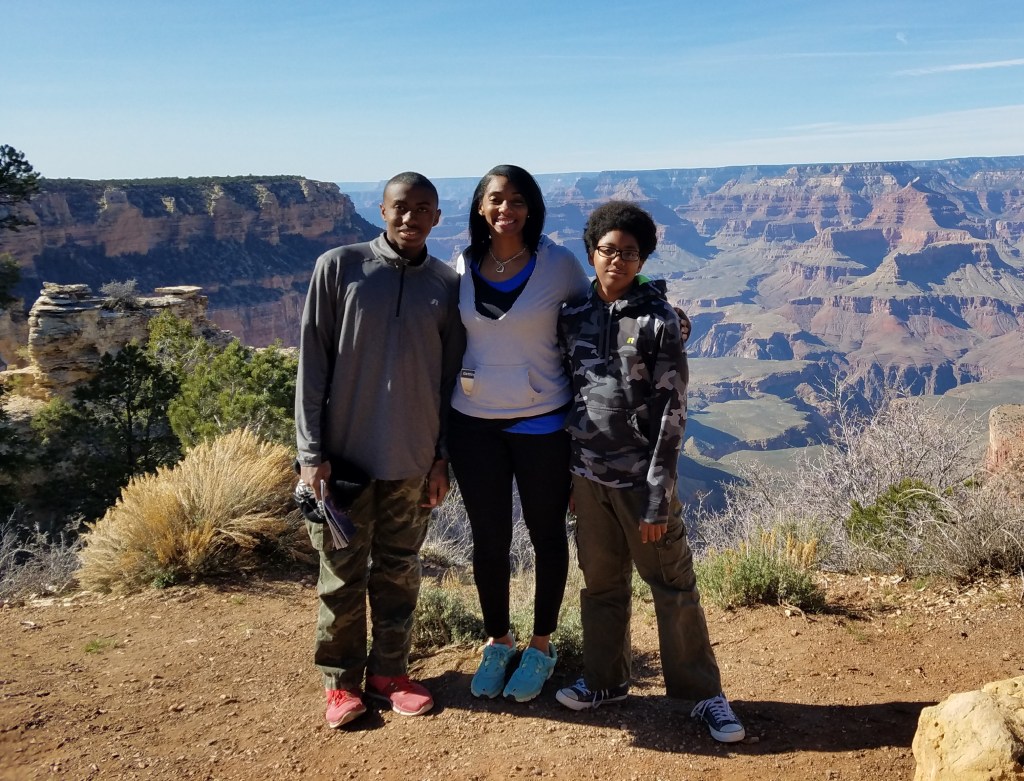
One of our first big adventures was to the Grand Canyon. No itinerary, no reservations, just vibes. And it showed. Long, empty stretches of road with no services, fully booked hotels, and the challenge of improvising with tired kids in tow made the trip more stressful than freeing.
That experience taught me something important: structure doesn’t kill adventure, it supports it.
For future journeys, I started planning more effectively. I mapped routes, booked accommodations, scheduled rest days, and accounted for time zones. The result was less stress, more meaningful experiences, and a much smoother trip for all of us.
That same shift from spontaneity to thoughtful structure also transformed how I approach Learning and Development.
The Temptation of “Go With the Flow” in L&D
In fast-paced environments, it’s easy to fall into reactive training. You may see:
- Last-minute workshops
- On-the-fly eLearning
- Patchwork onboarding programs
This approach can feel flexible and efficient. But, like an unplanned road trip, it often leads to:
- Confusing content overlap
- Gaps in learning coverage
- Burnout from constant scrambling
- Missed alignment with business outcomes
Eventually, I learned that structure isn’t a restriction. It’s a powerful tool for impact.
My Spreadsheet Moment
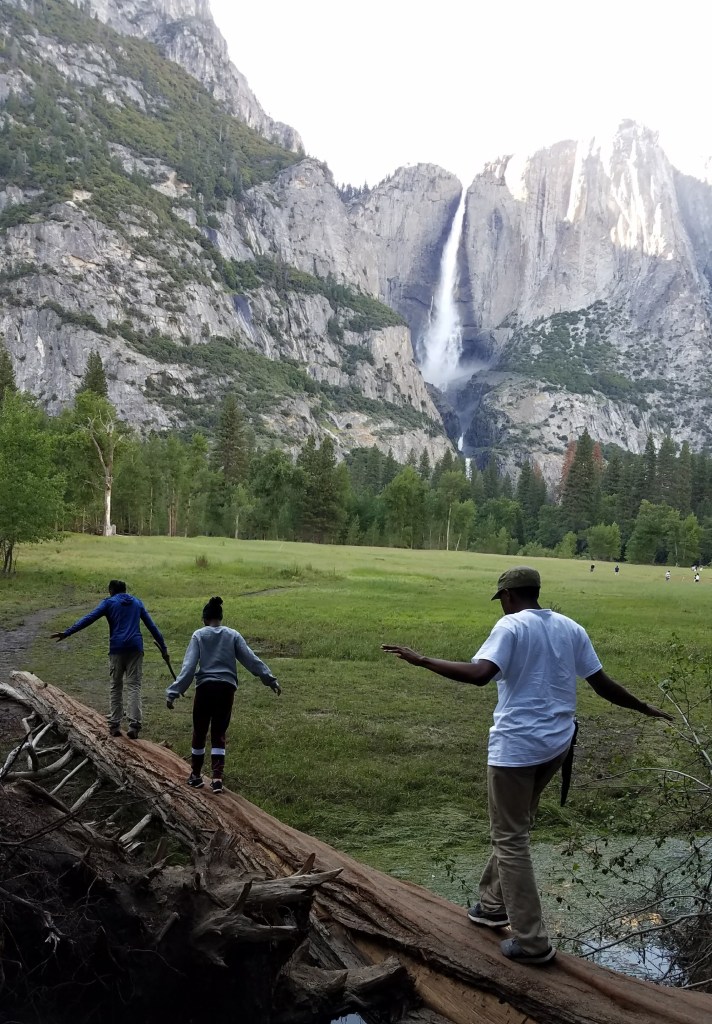
After that rocky Grand Canyon trip, I started planning our family road trips with the same level of care I would bring to a professional project. I built spreadsheets that included:
- Estimated drive times, including time zone adjustments
- Hotel confirmations
- Activity windows
- Built-in rest stops
- Contingency plans for the unexpected
Suddenly, travel felt more manageable. We still had room to discover hidden gems, like a beautiful hike or a roadside attraction, but we also had the peace of mind that comes from knowing where we would sleep each night and when we’d need to get back on the road.
That balance between planning and flexibility, between structure and creativity, is exactly what I aim for in every learning experience I design.
What a Structured L&D Roadmap Looks Like
Structure in L&D is not about rigidity. It’s about being intentional. Here’s how I approach it:
1. Start with the Destination (Define Business Goals)
Every learning initiative should start with a clear purpose.
Ask yourself: Are we reducing turnover, preparing for a product launch, or improving compliance?
Once the purpose is clear, you can design a learning path that aligns with it.
2. Chart the Route (Design the Learning Path)
Using frameworks like ADDIE and action mapping, I create a phased journey that moves learners through:
- Awareness
- Knowledge acquisition
- Skills practice
- Real-world application
I also incorporate Bloom’s Taxonomy to ensure we build progressively from understanding to action.
3. Plan the Pit Stops (Feedback Loops)
Just like a road trip needs rest stops and check-ins, learning programs need moments to:
- Gather learner feedback
- Measure retention and engagement
- Adjust content based on data
Structure gives you the ability to adapt intentionally, not reactively.
4. Prepare for the Terrain (Support Diverse Learners)



On one trip, we drove through the heat of Nevada in July, only to find deep snow still covering parts of Crater Lake. That taught me to pack for all conditions.
In the same way, I design for diverse learning needs by offering:
- Multi-modal content (video, hands-on, eLearning)
- Accessibility compliance (Section 508, WCAG)
- Consideration for different roles, speeds, and learning styles
5. Don’t Overload the Car (Manage Cognitive Load)
An overstuffed itinerary leads to fatigue. So does an overstuffed course. I design learning with space for reflection, digestion, and practice, helping participants retain and apply what they’ve learned.
From Road Atlases to AI: Evolving With Technology
Back when we first started road-tripping, we would grab a Rand McNally Road Atlas from a gas station or bookstore. I’d highlight our route and let the kids choose fun stops.
Eventually, we switched to GPS and Google Maps. That upgrade gave us real-time traffic updates, alternate routes, and fewer surprises. Travel got smarter.
That’s what AI is doing now in L&D.
Here’s how I use AI to enhance structure and speed:
- Content drafting: I generate first drafts of training materials with AI, giving subject matter experts a solid framework to build on. This reduces development time by up to 50 percent while improving consistency.
- Root cause analysis: AI tools identify performance trends quickly, so we can design training that addresses root causes rather than symptoms.
- Training impact forecasting: With predictive analytics, I can estimate how learners will engage with different modalities and plan more effective rollouts.
AI doesn’t replace the human touch. It helps us create better, faster, and more learner-centered experiences.
Structure Makes Space for What Matters

Some people believe structure limits creativity. My experience tells a different story.
When structure is in place, it provides:
- Space for rich conversations and coaching
- Opportunities for reflection and application
- Time for storytelling and meaningful dialogue
With the logistics handled, learners and facilitators can focus on what matters most, the learning.
Final Thoughts: Let Structure Support the Journey
Those early road trips taught me how to be flexible, resourceful, and patient. But the best journeys came after I learned to plan with care.
The same is true in Learning and Development.
Structure doesn’t restrict our ability to connect and create. It elevates every part of the experience. It is the difference between checking a box and leading a transformational learning journey.
If you’re still building programs off the cuff, ask yourself,
What would happen if you stepped back and mapped the route?
You might discover a smoother road ahead and a much more powerful destination. And of course a lot of fun along the way.




 Brent Folio