
By J.L. Brent
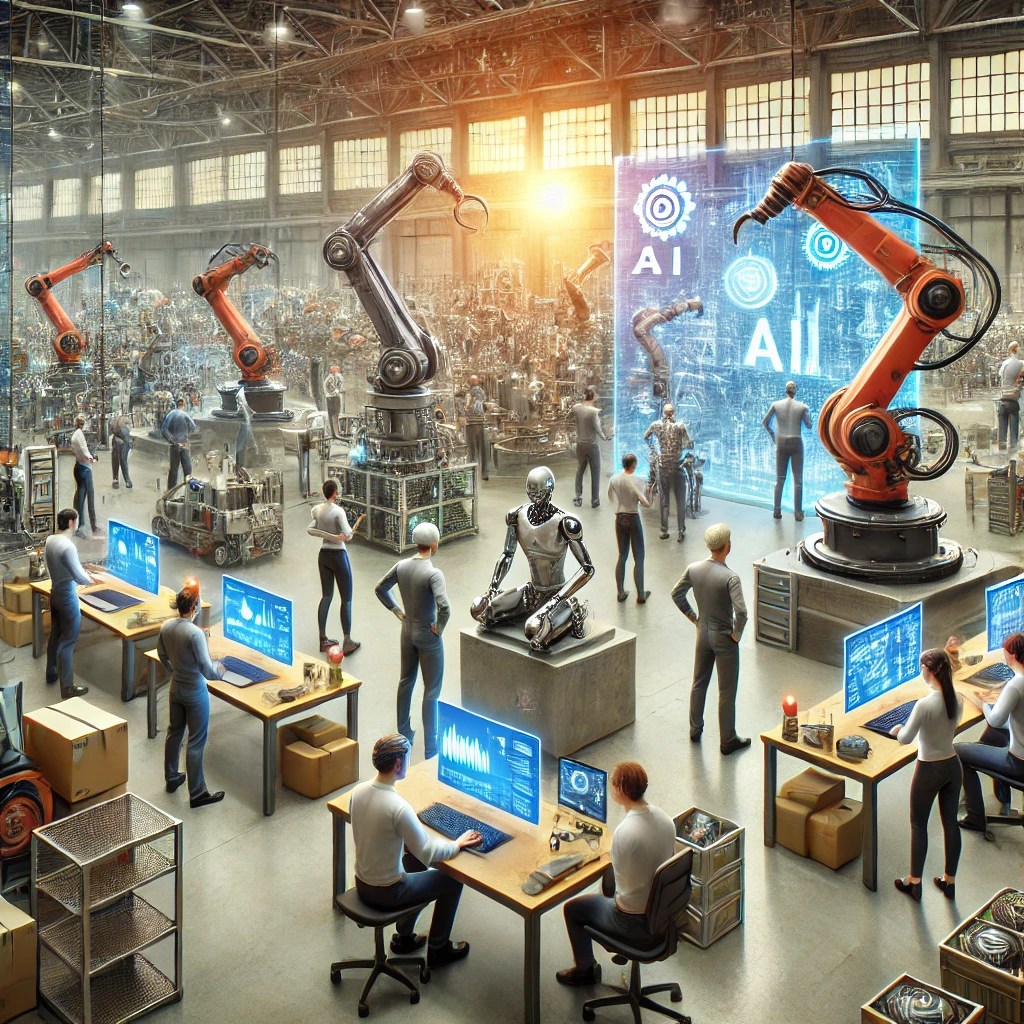
In an era of rapid technological advancement and AI integration, many companies focus heavily on digital tools, automation, and cutting-edge software. However, human capital, an organization’s collective skills, knowledge, and abilities—remains one of the strongest predictors of long-term success. In fact, research consistently shows that companies investing in their workforce see higher productivity, stronger innovation, and sustained growth compared to those solely relying on technology.
Studies by Deloitte reveal that 86% of business leaders see investing in human capital as crucial to achieving competitive advantage. Moreover, organizations that emphasize employee development and training experience a 218% higher income per employee and 24% higher profit margins than those that don’t, according to a study by the Association for Talent Development (ATD). These numbers demonstrate that human capital investment has a direct, measurable impact on financial performance.
Additionally, a McKinsey report found that companies reskilling and upskilling their employees are 52% more productive and report higher employee engagement rates. AI can efficiently handle repetitive tasks and provide insightful data analysis, but it cannot replace the creativity, critical thinking, and emotional intelligence that a skilled human workforce brings. As AI adoption accelerates, businesses still depend on a workforce that can adapt, interpret complex information, and make decisions beyond an algorithm’s capability.
Companies that balance human capital investment with AI adoption see tangible benefits, particularly in operational efficiency, innovation, and employee retention. PwC found that 74% of employees are willing to learn new skills or completely retrain to remain employable in the age of AI—a sentiment companies should leverage by providing relevant training programs. This willingness is crucial, as organizations that prioritize both AI and employee development have a stronger position in today’s dynamic markets. For instance, IBM’s ongoing commitment to reskilling its workforce has led to significant business innovation, and the company now ranks among the most adaptable organizations globally.
Ultimately, while AI tools are transforming industries, companies must not underestimate the impact of human capital. Organizations that invest in continuous learning, upskilling, and workforce adaptability are more likely to thrive. By harnessing the full potential of both human expertise and AI, businesses can build a sustainable, innovative culture prepared for a future where technology and human intelligence work side by side.

 Brent Folio